
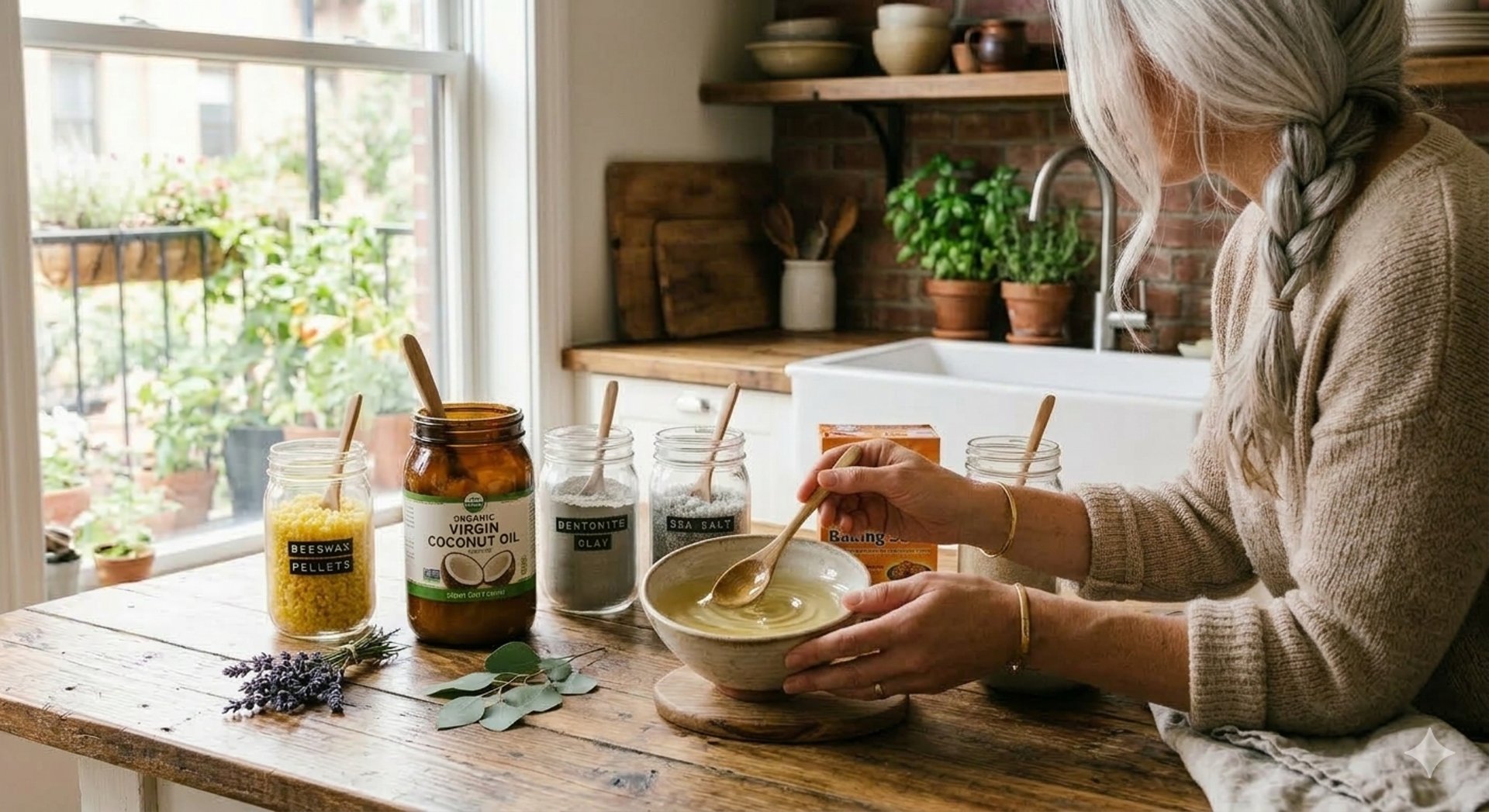
"The 15 for 15 Essentials "
Lana M
3/14/202611 min read
The Capsule Cabinet: 15 Ingredients for a Minimalist Homestead
If you’re anything like me, your dream of "homesteading" doesn’t involve forty acres and a tractor—it involves a sunny windowsill, a well-organized pantry, and a home that doesn't smell like a chemistry lab. Living in an urban environment means we have to be picky about what we bring through our front door. We don’t have room for a different specialized cleaner for every surface or a bathroom counter overflowing with twenty-step skincare routines.
For a long time, I thought "going natural" meant buying dozens of expensive, niche products. But I eventually realized that the secret to a self-sufficient home isn't more products; it’s better ingredients.
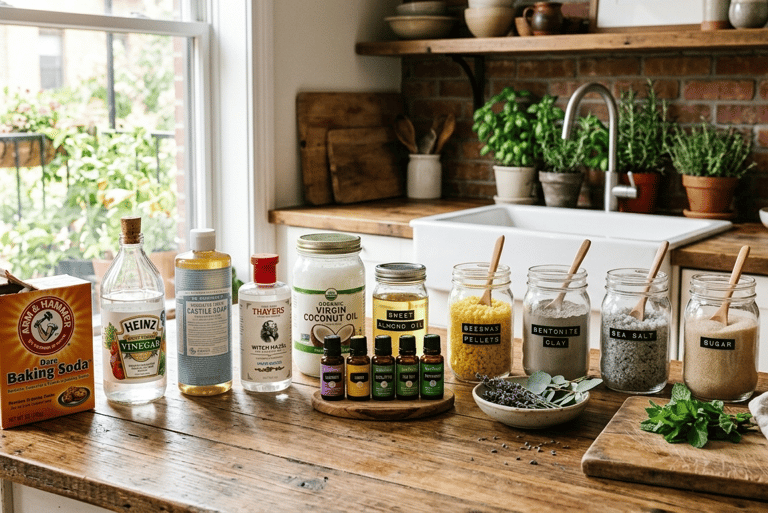
I’ve spent months narrowing down the "Essentials List"—a collection of just 15 multi-purpose, eco-conscious ingredients that can handle everything from stubborn kitchen grease to a soothing bedtime ritual. I call it the 15 for 15: fifteen staples that create fifteen essential recipes for your home and body.
In this guide, I’m pulling back the curtain on my "Capsule Cabinet." We’ll talk about how to source these items, how to store them so they actually last, and most importantly how to turn them into the high performing, non-toxic swaps your home deserves. Many of these items are probably already in your kitchen. Ready to clear the clutter and get back to basics? Let's dive in. "Disclosure: This post contains affiliate links. If you make a purchase through these links, I may earn a small commission at no extra cost to you. I only recommend products I use and love for my own urban homestead."
The 15 Essentials
Baking Soda
White Vinegar (or ACV)
Coarse Sea Salt
Sugar
Click on the underlined ingredients to view on Amazon, or check out my Buyers Guide Section.
Don’t Buy the Gallon: Why Small-Batch is Better
When you start your DIY journey, it’s tempting to buy the biggest containers available to "save money." However, the secret to a successful urban homestead is freshness, not volume. Natural ingredients—especially carrier oils and botanicals—have a shelf life. In a city apartment, where space is limited and temperatures can fluctuate, those "bulk bargains" often go rancid before you can even reach the bottom of the bottle. "I prefer White Vinegar for cleaning because it's cheaper and scent-neutral, but I keep ACV (Apple Cider Vinegar) for my hair rinses and skin products because of its pH-balancing magic!"
Here is how to shop and store smart for your 15-ingredient kit:
Stick to Small Batches: All 15 of these recipes are designed to be made in small quantities. This ensures that the botanical properties remain potent and your products stay fresh without the need for heavy synthetic preservatives.
Respect the Light: Sunlight and heat are the enemies of natural DIYs. While your jars might look beautiful on a windowsill, they won't last there. For the best results, store your ingredients and finished products in a cool, dark place.
Think Outside the Pantry: If you’re low on cabinet space, get creative. A labeled shoebox under the bed, a dedicated "DIY drawer" in a dresser, or a dark hallway cupboard are all perfect spots to keep your supplies stable and protected.
Opt for Quality: Since you aren't buying in massive bulk, you can afford to "level up" the quality. Look for Organic, Cold-Pressed oils and Therapeutic-Grade essential oils. Because you’re only using a few drops at a time, a small, high-quality bottle goes a long way.
Amber Glass is Your Friend: Always store your finished recipes in dark amber or cobalt glass. This acts as a "shield" against UV rays, helping your small batches stay fresh until the very last drop. Make sure your jars are clean and sterile, wash in warm soapy water, rinse well then boil for about 10 minutes in a large pot. Tops can be thrown in for the last minute or so.
Recipes for the Home
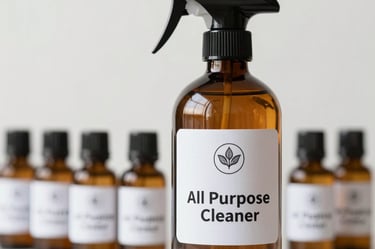
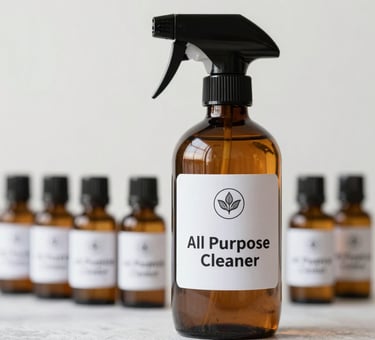
Recipe 1: The "One-Bottle" All-Purpose Spray
The only cleaner an apartment dweller truly needs for counters, glass, and bathroom surfaces.
The Ingredients:
1 cup Distilled Water (or boiled and cooled tap water)
1 cup White Vinegar (or Apple Cider Vinegar)
15 drops Lemon Essential Oil (Grease-cutter)
5 drops Tea Tree Essential Oil (Antibacterial)
The Method:
Combine: Pour the water and vinegar into your upcycled glass bottle.
Scent: Add the essential oils directly into the liquid.
Shake: Give it a vigorous shake before every single use (oil and water naturally separate!).
The Urban Tip: "In a small apartment, heavy chemical cleaners can linger in the air for hours. This spray leaves your home smelling like a fresh lemon grove, not a laboratory—and it’s safe to use around pets and indoor plants."
Recipe 2: The Urban Laundry Boost
Because city life (and public laundromats) can leave clothes smelling less than fresh.
The Ingredients:
1 cup Baking Soda
10 drops Lemon Essential Oil
5 drops Eucalyptus Essential Oil
The Method
Mix: In a wide-mouth upcycled jar, pour in your baking soda.
Scent: Add the essential oils directly to the powder.
Incorporate: Use a wooden spoon (or put the lid on and shake vigorously) until the oils are fully distributed and there are no clumps.
Use: Add 2 tablespoons directly into the drum of your washing machine along with your usual detergent.
The Urban Tip: "Laundromats and apartment building washers can sometimes have a 'musty' lingering scent. This boost naturally neutralizes odors and brightens whites without the need for heavy, synthetic fragrances."
Recipe 3: The Small-Space Room Refresher
Because city apartments can get stuffy, especially when windows stay closed against the noise.
The Ingredients:
1/2 cup Distilled Water (or boiled and cooled tap water)
1 tbsp Witch Hazel (helps the scent linger in the air)
10 drops Eucalyptus Essential Oil
5 drops Lemon Essential Oil
The Method:
Combine: Pour the water and Witch Hazel into a small spray bottle.
Scent: Add your Eucalyptus and Lemon oils.
Mist: Shake well before every use. Lightly mist your curtains, rugs, or the air in your bathroom.
The Urban Tip: "In a small studio, cooking smells or pet odors can take over quickly. This mist doesn't just 'mask' odors with heavy perfume; the Eucalyptus and Lemon actually help clear the air, making your space feel five times larger and fresher."
Recipe 4: The "Small-Batch" Liquid Dish Soap
A gentle, grease-cutting formula that’s safe for your hands and your home.
The Ingredients:
1/2 cup Liquid Castile Soap (Unscented or Baby-Mild)
1/2 cup Warm Water (previously boiled for purity)
1 tsp Baking Soda (for extra scrubbing power)
10 drops Lemon Essential Oil (nature’s grease-cutter)
5 drops Eucalyptus Essential Oil (antibacterial boost)
The Method:
Dissolve: In a glass jar or bottle, stir the Baking Soda into the warm water until it is fully dissolved.
Combine: Slowly pour in the Liquid Castile Soap. Stir gently so you don’t create too many bubbles.
Scent: Add your essential oils and give it one final, gentle stir.
Use: Squirt a small amount onto your sponge or directly into the sink.
The Urban Tip: "Castile soap is thinner than the 'gooey' blue soaps you find in stores. Don't be fooled by the lack of chemical thickeners—this formula is powerful. If you have an old foaming soap dispenser, this recipe works perfectly in it to make your soap last even longer!"
Recipe 5: The "Closet-Fresh" Sachet
A low-tech way to keep small apartment closets from smelling musty.
The Ingredients:
1/2 cup Baking Soda
1/4 cup Dried Lavender or Calendula (optional)
10 drops Lemon Essential Oil
The Method:
Mix: In a small bowl, stir the oil into the baking soda.
Bag: Scoop the mixture into a small muslin bag or an upcycled clean sock.
Place: Tie the top and hang it in your closet or tuck it into a dresser drawer.
Recipes for Face and Hair
Recipe 6: The "City-Grit" Detox Mask
A 10-minute ritual to pull subway dust and urban pollution out of your pores.
The Ingredients:
1 tbsp Bentonite Clay
1 tsp Apple Cider Vinegar (or water for sensitive skin)
1 drop Tea Tree Essential Oil
The Method:
The Golden Rule: Use a wooden or plastic spoon. Never use metal with Bentonite clay, as it pulls the minerals from the metal and makes the clay less effective!
Mix: Stir the clay and liquid until it forms a smooth, yogurt-like paste. Add the tea tree oil last.
Apply: Spread a thin layer over your face, avoiding the eyes.
The Glow: Let it sit for 5–10 minutes. You’ll feel a "pulsing" sensation—that’s the clay working! Rinse with warm water.
The Urban Tip: "If you live in a high-traffic area, use this mask every Sunday night to 'reset' your skin for the week ahead. Follow up with two drops of Sweet Almond Oil as a minimalist moisturizer."
Recipe 7: The "Window-Sill" Rosemary Hair Rinse
Combats the "dullness" caused by hard city water and pollution buildup.
The Ingredients:
1 cup Apple Cider Vinegar (ACV)
2 sprigs Fresh Rosemary (easily grown on an apartment windowsill!)
5 drops Rosemary Essential Oil (optional, for extra strength)
The Method:
Infuse: Place the fresh rosemary in a glass jar and cover with the ACV.
Wait: Let it sit on your windowsill for 1 week. The vinegar will turn a dark, herbal color.
Strain: Remove the rosemary sprigs.
The Rinse: After shampooing, mix 1 part of this infusion with 3 parts water. Pour over your hair, let sit for 60 seconds, and rinse. (Don't worry—the vinegar smell disappears as it dries!).
Recipe 8: The "Subway-Soot" Facial Toner
A cooling, gentle mist to wipe away the invisible film of city pollution.
The Ingredients:
1/2 cup Witch Hazel
2 drops Lavender Essential Oil
1 drop Tea Tree Essential Oil (for its antibacterial shield)
The Method:
Combine: Pour the Witch Hazel into a small upcycled glass spray bottle or a jar.
Fortify: Add your essential oils.
Apply: Shake well. Spritz onto a reusable cotton round and gently wipe over your face after a commute or a day spent outdoors.
The Urban Tip: "City air contains microscopic particulates that sit on the skin's surface. This toner acts as a gentle 'reset button,' calming redness with Lavender while the Witch Hazel cleanses deep into the pores."
Recipe 9: The "Window-Sill" Sugar Scrub
A simple, glowing exfoliant to brighten skin dulled by city pollution.
The Ingredients:
1/2 cup White Sugar (or Coarse Sea Salt for a deeper body scrub)
1/4 cup Coconut Oil (melted) or Sweet Almond Oil
5 drops Lavender Essential Oil
1 tsp Dried Calendula petals (optional, for that "homestead" look)
The Method:
Mix: Combine the sugar and oil in a small bowl until it looks like wet sand.
Scent: Stir in the Lavender oil and dried flowers.
Store: Pack into a small upcycled glass jar.
Use: Massage a small amount onto damp skin in circular motions, then rinse with warm water.
The Urban Tip: "Keep this jar right on your bathroom ledge. It’s a 2-minute ritual that removes the 'city-grit' from your day and leaves your skin feeling incredibly soft without needing a separate moisturizer."
Recipes for the Body and Mind
Recipe 10: The "Commuter’s Relief" Foot Soak
Perfect for city dwellers who spend all day walking on concrete or standing on transit.
The Ingredients:
1/2 cup Coarse Sea Salt
1 tbsp Baking Soda (to deodorize)
5 drops Peppermint Essential Oil (for cooling/circulation)
3 drops Eucalyptus Essential Oil (for a "spa" scent)
The Method:
Mix: In an upcycled jam jar, combine the salt and baking soda.
Infuse: Drop the essential oils onto the salt. Close the lid and shake well to distribute the scent.
The Soak: Dissolve 2 tablespoons into a basin of warm water. Soak your feet for 15 minutes.
The Urban Tip: "In a small apartment, you might not have a bathtub. This 'Micro-Spa' ritual only requires a small basin or even a clean plastic storage bin, making it the perfect low-space luxury."
Recipe 11: The "Midnight City" Sleep Salve
A soothing balm for the temples and wrists to help block out city noise and streetlights.
The Ingredients:
2 tbsp Coconut Oil (or Sweet Almond Oil)
1 tsp Beeswax Pellets
10 drops Lavender Essential Oil
The Method:
Melt: Create a "Mini Double Boiler" by placing a small glass jar inside a pot of simmering water. Melt the oil and beeswax together until clear.
Cool: Remove from heat. Let it sit for 2 minutes (so you don't "burn" the scent off the oils).
Scent: Stir in the Lavender oil.
Set: Pour into a small upcycled lip balm tin or a tiny glass jar. Let it sit for 1 hour until firm.
The Urban Tip: "Apply this to your "pulse points" (wrists and temples) before bed. The Lavender helps signal to your brain that the city workday is over, even if the sirens are still going outside."
Recipe 12: The "Transit-Shield" Hand Mist
A non-sticky, apothecary-style alternative to harsh chemical gels.
The Ingredients:
2 tbsp Witch Hazel
1 tbsp Aloe Vera Gel (optional, for moisture)
10 drops Tea Tree Essential Oil (nature’s heavy hitter)
5 drops Peppermint Essential Oil (for a clean, crisp scent)
The Method:
Base: Fill a 1oz travel-sized spray bottle halfway with Witch Hazel.
Boost: Add the Tea Tree and Peppermint oils.
Fill: Top off the bottle with water (or Aloe).
Use: Spritz onto hands after touching subway poles, door handles, or elevator buttons.
The Urban Tip: "Standard hand sanitizers can smell like a hospital. This mist smells like a spa and uses Tea Tree—a powerful botanical—to keep your hands clean while you’re on the move through the city."
Recipe 13: The "Radiator-Dry" Body Oil
To combat the dry, itchy skin caused by apartment heating systems in the winter.
The Ingredients:
1/2 cup Sweet Almond Oil
5 drops Lavender Essential Oil
3 drops Eucalyptus Essential Oil (for a fresh, "clean" scent)
The Method:
Combine: Pour the Almond Oil into a clean glass bottle.
Infuse: Add your essential oils.
Seal: Cap the bottle and roll it between your hands to mix (don't shake too hard to avoid air bubbles).
Use: Apply to damp skin immediately after a shower to lock in moisture.
Recipe 14: The "Yoga-Mat" (or Rug) Sanitizer
A quick spray for high-traffic fabrics in a small studio.
The Ingredients:
1/2 cup Water
1/4 cup Witch Hazel
5 drops Tea Tree Essential Oil
5 drops Peppermint Essential Oil
The Method:
Mix: Combine all ingredients in a spray bottle.
Mist: Spray lightly over your yoga mat, entryway rug, or even fabric shoes.
Dry: Let it air dry for 5 minutes.
Recipe 15: The "Windowsill Garden" Pest Spray
A gentle, non-toxic way to keep aphids off your indoor herbs.
The Ingredients:
1 cup Water
1 tsp Liquid Castile Soap (or a tiny drop of dish soap)
5 drops Peppermint Essential Oil (bugs hate mint!)
The Method:
Combine: Mix water and soap first (the soap helps the oil mix with the water).
Scent: Add the Peppermint oil.
Spray: Mist the leaves of your indoor plants.
Safety, Storage & The Urban Shelf-Life
Because our recipes are 100% natural and free from synthetic preservatives, they require a little more "mindfulness" than store-bought products. Follow these guidelines to keep your homestead lab safe and effective.
1. The Golden Rule of Storage
Keep it Cool, Dark, and Dry. Heat and sunlight are the enemies of essential oils and carrier oils (like Coconut and Almond).
The Apartment Tip: Avoid storing your salves or oils on the back of the stove or on a sunny windowsill. A dedicated "Apothecary Drawer" or a cool cupboard away from the oven is best.
2. Shelf-Life Expectations
Dry Recipes (Scrubs, Soaks, Powder): These can last 6–12 months as long as you keep moisture out of the jar.
Oil-Based (Salves, Body Oil): These typically last 6 months. If it starts to smell like "old crayons," the oil has gone rancid; discard it.
Water-Based (Toners, Sprays, Dish Soap): Because water can grow bacteria, these should be used within 2–3 months. Using distilled or previously boiled water helps extend this slightly.
3. Essential Oil Safety
Never Ingest: These recipes are for external use only.
Dilution is Key: Never apply "neat" (undiluted) essential oils directly to the skin. Our recipes use carrier oils to make them safe.
Pets & Plants: Some oils (like Tea Tree and Eucalyptus) can be sensitive for cats and dogs. Always use sprays in well-ventilated rooms and keep jars tightly sealed.
4. Label Everything
In a minimalist home, "clear liquid in a jar" could be vinegar, toner, or plain water. Use a simple piece of masking tape or a chalk marker to write the Name and the Date it was made on every bottle.
"Growing your own ingredients? Don’t lose track of the magic."
If you’re like me, your urban homestead is probably overflowing with windowsill herbs and botanical experiments. There is nothing more rewarding than using a sprig of rosemary you grew yourself in your DIY scalp rinse! But keeping track of watering schedules, light needs, and harvest dates in a small space can get overwhelming quickly.
I designed the Apartment Homestead Garden Log and Eco Habit Tracker Book specifically for us city-dwellers. It’s a dedicated space to track your plant’s health, sketch your garden layout, and note which varieties worked best for your homemade recipes. Grab your copy on Amazon and turn that "black thumb" into a thriving indoor sanctuary!
Small changes lead to a more mindful home. By mastering these 15 versatile staples, you’re reclaiming your space and your health. To see the exact tools and ingredients I use in my urban homestead, head over to my Capsule Cupboard shopping guide."
Contact
Questions? Write us anytime.
lanam@apartmenthomestead.com
© 2025. All rights reserved.