Understanding Apartment Homesteading and Its Benefits
Apartment homesteading is an innovative approach that allows urban dwellers to cultivate their own food in limited spaces. This concept has gained traction due to the growing interest in sustainability and self-sufficiency among city residents. It involves utilizing various methods such as container gardening, vertical gardens, and hydroponics to maximize small living areas. Essentially, apartment homesteading is not just about farming; it is about creating a lifestyle that encourages independence and environmental mindfulness.
The benefits of apartment homesteading are significant and manifold. One of the main advantages is sustainability. By growing their own food, apartment dwellers can reduce their carbon footprint, as they are minimizing the need for grocery store purchases that involve long transport chains. Furthermore, cultivating one’s own produce means higher quality food, free from harmful pesticides and chemicals that are often present in commercially grown vegetables and fruits. This nurturing of one’s garden promotes healthier eating habits and a deeper understanding of food sources.
Cost saving is another compelling reason why many individuals are turning towards apartment homesteading. The initial investment in seeds, soil, and gardening supplies often pays off over time. Homegrown vegetables and herbs can significantly cut down grocery expenses, allowing urban residents to save money while enjoying fresher ingredients. Additionally, maintaining a garden provides opportunities for sharing surplus produce with neighbors, fostering community and connection.
Ultimately, apartment homesteading is adaptable to various lifestyles and space constraints. Whether residing in a small studio or a larger apartment, individuals can tailor their gardening efforts to suit their specific environments. This adaptability highlights the endless possibilities for creativity, making it feasible for anyone to embark on this fulfilling journey of urban gardening.
Assessing Your Space for Apartment Homesteading
Before embarking on the journey of apartment homesteading, it is essential to evaluate your living space thoroughly. A well-planned garden begins with a keen assessment of factors such as natural light, available square footage, and the existing infrastructure within your apartment. Each of these elements plays a crucial role in determining the types of plants that can be successfully grown.
Natural light is perhaps the most vital consideration. Most plants require a minimum of six hours of direct sunlight daily. Therefore, attention should be given to the orientation of windows and any potential obstructions that might impede sunlight. South-facing windows typically receive the most light, making them ideal for growing a variety of herbs and vegetables. If natural light is limited, consider supplementing with grow lights to ensure your plants receive adequate illumination.
Next, evaluate your square footage. In small apartments, every inch counts. Vertical gardening techniques such as wall planters or hanging pots can help to maximize space. Additionally, utilizing shelves or multi-tiered plant stands allows for increased plant density without consuming valuable floor space. Container gardening is a practical option as well; select pots that fit your available areas and choose plants that naturally thrive in confined spaces.
Moreover, review the infrastructure already present in your apartment. Balconies or patios can serve as excellent zones for outdoor gardening, while indoor areas may benefit from window sills or ledges. Identifying which plants are suitable for indoor environments is crucial; leafy greens, herbs, and some compact vegetable varieties adapt well to indoor conditions. In doing so, the selection of appropriate containers must also be considered. Opt for pots with good drainage and the right size to accommodate the root system of your chosen plants.
By systematically assessing these factors, you can create an urban garden tailored specifically to your apartment's features, paving the way for a successful homesteading experience.
Essential Tools and Supplies for Starting Your Urban Garden
Embarking on the journey of apartment homesteading requires a thoughtful selection of tools and supplies that facilitate successful urban gardening. The right equipment can make all the difference in launching your own green space, even within the constraints of small living areas. A few basic gardening tools will prove invaluable, including a hand trowel for digging and transplanting, pruning shears for maintaining plant health, and a watering can or spray bottle for precise hydration of your greenery.
When it comes to soil options, it is crucial to invest in quality potting mixes that are well-draining yet moisture-retentive. Consider choosing organic soil to promote healthy plant growth and avoid chemicals that can affect indoor air quality. Many urban gardeners find that a lightweight potting mix, enriched with nutrients, works best in small containers. Additionally, using soil amendments like compost can provide the necessary nutrients to support your plants throughout their growing cycle.
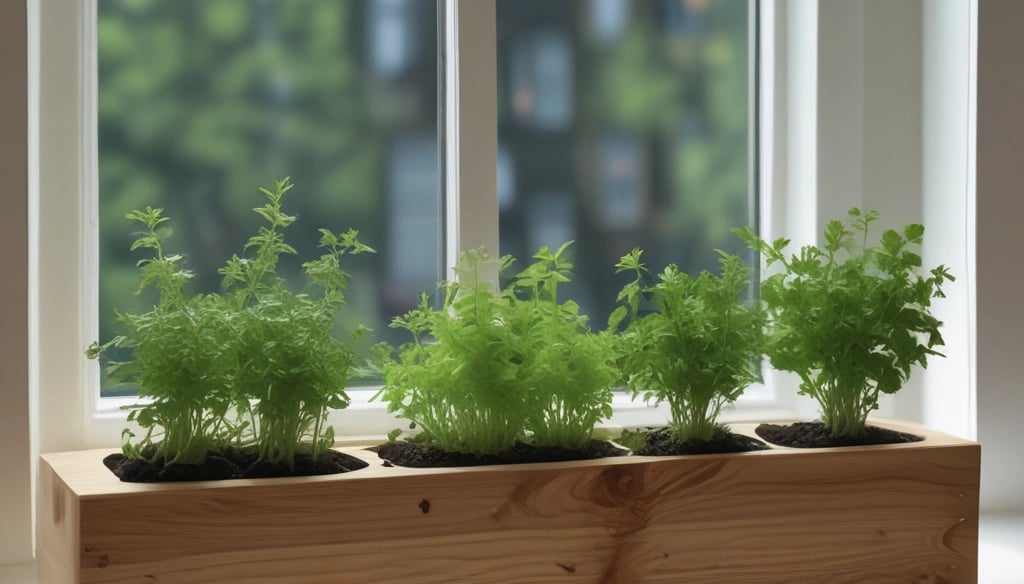
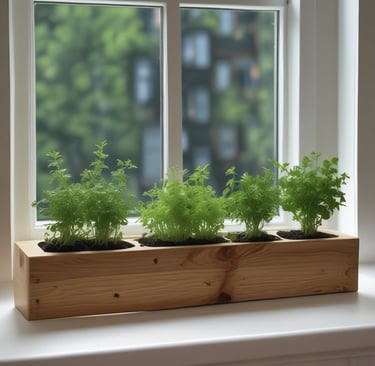
For container gardening, a variety of options are available such as pots, window boxes, and vertical planters. Select containers that offer good drainage and are sized appropriately for the types of plants you plan to grow. Options made from ceramic, plastic, or fabric are popular and can fit seamlessly into any apartment decor. Furthermore, starting with seeds or young plants can add to the vibrancy of your indoor garden. Local nurseries or online gardeners’ sites are excellent resources for obtaining quality seeds and starter plants.
Lastly, consider incorporating organic gardening supplies such as natural fertilizers and pest control solutions to create a sustainable environment for your plants. Investing in these resources will not only benefit your garden but also contribute positively to the health of your living space. With the right tools and supplies, your apartment homesteading journey can begin on a strong foundation that fosters growth and creativity within your urban garden.
Getting Started: Step-by-Step Guide to Your First Urban Garden
Starting your first urban garden can be a rewarding experience that brings fresh produce and a touch of nature into your apartment. The journey begins with identifying the right plants suited to the available light conditions. Consider selecting herbs like basil, mint, or parsley, which thrive indoors and require minimal space. For other plants, assess their light needs; south-facing windows are ideal for sun-loving varieties, while shade-tolerant plants can flourish in lower light environments.
After finalizing the selection of plants, the next step involves choosing suitable containers. Ensure the pots have drainage holes to prevent overwatering. Use a quality potting mix tailored for container gardening to provide necessary nutrients and promote healthy growth. When planting, follow the guidelines specified for each plant, paying attention to spacing and depth to encourage robust root systems.
Watering is a critical aspect of maintaining your urban garden. Establish a consistent watering schedule based on the individual needs of your plants. A general rule of thumb is to check the soil moisture before watering; if the top inch feels dry, it’s time to water. Always be mindful of overwatering, as it can lead to root rot. Observing your plants' responses to watering can guide you towards finding the right balance.
As your garden begins to grow, maintaining it is essential. Regularly check for pests or diseases, and remove any affected leaves promptly. Pruning and trimming encourage new growth and help keep plants healthy. Remember that patience plays a vital role in urban gardening; growth may take time, and adapting your methods based on observation will lead to greater success. Experimenting with different plants and techniques will yield insights that enhance your gardening experience.